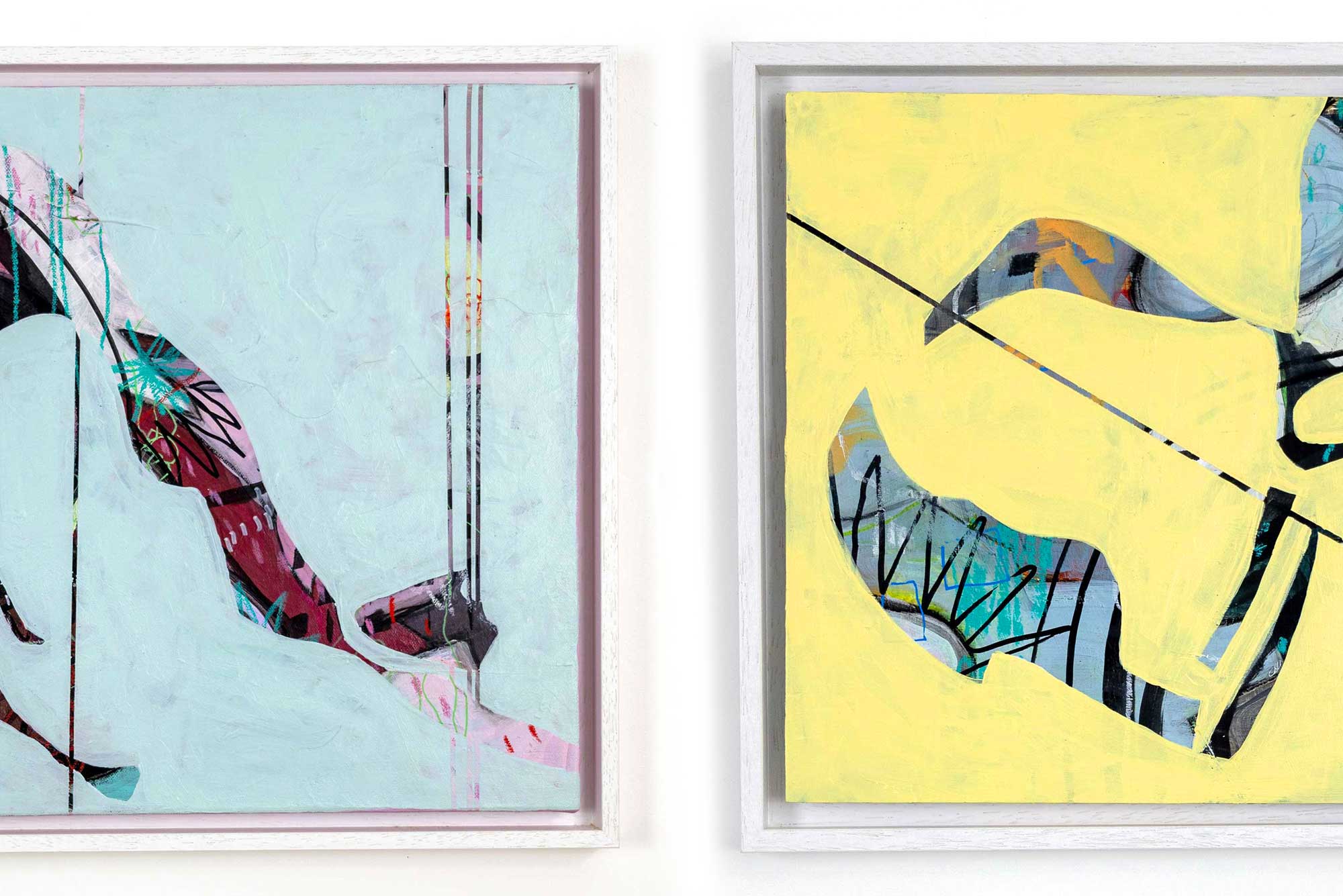
No one talks about this, but framing can cost as much—or more—than the art itself. It’s oneof the biggest shocks for first-time buyers, so let’s get it out in the open.
What Framing Actually Costs
For a small to medium piece (say, A4 to A2 size):
- Basic high-street framing: £80-150
- Mid-range custom framing: £150-300
- Conservation-grade framing: £250-500+
For larger works, you’re looking at £400-700 easily. And if you want museum-quality materials or complicated mounting, it goes up from there.
Why so expensive? You’re paying for materials (frame, mount, glass), labor (cutting, mounting, assembly), and expertise (especially if it’s conservation framing).
What’s the Difference Between Standard and Conservation Framing?
Standard framing: Gets the job done. The frame looks good, the art is protected. But the materials might not be acid-free, and over 10-20 years, that can damage the work (yellowing, discoloration).
Conservation framing: Uses acid-free mounts, UV-protective glass, and archival materials. It costs more upfront but protects your investment long-term. If you’re buying an original or a limited edition print you care about, this is worth it.
Do You Need to Frame It Immediately?
No.
If you need to save up for framing, that’s fine. Just store the work flat, away from moisture and sunlight. You can live with unframed work for a while—some people even pin it directly to the wall temporarily (though I’d recommend corner mounts to avoid damage).
Don’t let framing costs stop you from buying art you love. Just factor it into your budget and frame when you’re ready.
How to Get the Best Price
- Shop around. Framing prices vary wildly. Get quotes from 2-3 framers before committing.
- Ask about “float mounting.” This is when the work sits inside the frame with a small gap around it, showing the edges. Often cheaper than a full mount and looks modern.
- Consider ready-made frames. If your work is a standard size (A4, A3, A2), you can buy a frame off the shelf for £30-80 and fit it yourself. Just make sure the mount is acid-free.
- Ask the framer about “trade frames.” Some framers have simpler, less ornate options that cost less but still look professional.
What I Recommend for My Work
For my prints and smaller originals, a simple black or white frame with a white mount works beautifully. You don’t need anything fancy—the work should be the focus, not the frame.
For larger originals (especially from Tipping Point or Reclaimed Earth), I’d suggest conservation framing if your budget allows. These pieces have texture and depth that deserve long-term protection.
If you’re not sure what frame style would suit a piece, send me a photo of your space. I can suggest options that work with both the art and your room.
Should You Buy Framed or Unframed?
I sell most work unframed because:
- It’s cheaper to ship
- You get to choose the frame that works for your space
- Framing is personal — what I like might not suit your home
But if you’d prefer to receive work ready to hang, let me know. I can arrange framing and factor it into the price.
The Bottom Line
Framing adds cost. There’s no way around it. But it’s not a hidden cost—it’s just one no one mentions until you’re at the framer and the quote makes you wince.
Now you know. Factor it in. Budget for it. And if it means waiting a few months to frame properly, that’s fine. The work isn’t going anywhere.
Questions about framing? Email me